Application of Joint Mobilisations in Managing Osteoarthritis
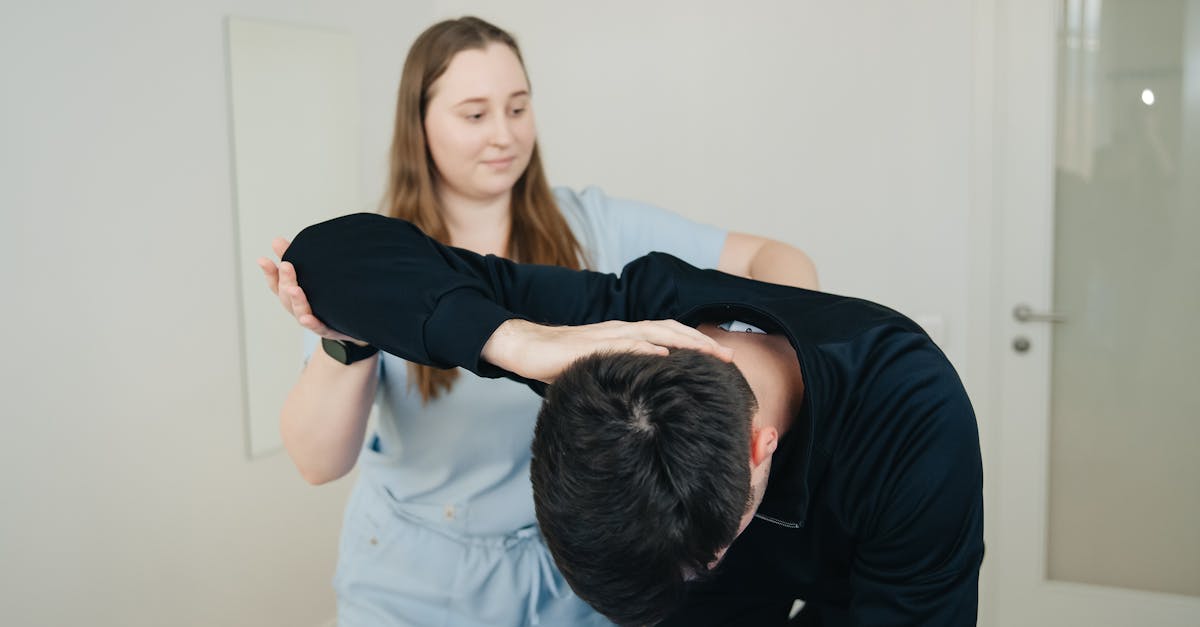
Integrating Joint Mobilisations into Treatment Plans
Incorporating joint mobilisations into treatment plans for osteoarthritis can enhance patient outcomes and improve mobility. Physiotherapists play a crucial role in assessing individual needs and determining the most effective techniques to be integrated. This approach allows for a tailored therapeutic strategy that addresses specific joint limitations and functional challenges associated with the condition. Regular reassessment ensures that treatment remains aligned with the evolving status of the patient’s condition.
A multidisciplinary approach often amplifies the benefits of joint mobilisations. Collaboration among healthcare providers, including physiotherapists, occupational therapists, and general practitioners, fosters a comprehensive understanding of each patient's unique situation. Coordinated efforts can streamline the incorporation of mobilisations alongside other modalities such as exercise therapy and education, thereby supporting optimal recovery pathways. This integration ultimately aims to promote improved joint function and enhance the overall quality of life for individuals suffering from osteoarthritis.
Collaboration with Physiotherapists and Healthcare Providers
Effective management of osteoarthritis often requires a multidisciplinary approach. Engaging physiotherapists and healthcare providers in the treatment process enhances the overall effectiveness of joint mobilisations. Physiotherapists bring specialised knowledge of biomechanics and therapeutic techniques. Their insights can guide healthcare providers in crafting personalised treatment plans that maximise patient outcomes while ensuring safety.
Collaboration extends beyond just sharing insights and techniques. Regular communication between physiotherapists and other healthcare professionals fosters a comprehensive understanding of each patient's unique condition. This team-oriented strategy allows for ongoing assessment of progress and timely adjustments to treatment plans. Such an integrative approach ensures that all aspects of patient care are addressed, promoting better long-term management of the symptoms associated with osteoarthritis.
Patient-Centric Approach to Joint Mobilisations
Incorporating a patient-centric approach to joint mobilisations requires understanding the unique needs and preferences of each individual. This involves assessing the patient's condition, pain levels, and functional limitations while also considering their lifestyle and goals. Such an approach enhances engagement and compliance, as patients feel more involved in their treatment decisions. Tailoring mobilisation techniques to align with person-specific factors can lead to improved outcomes and greater satisfaction with the care provided.
Communication plays a crucial role in ensuring that the techniques used are appropriate for each patient. Health practitioners should encourage open dialogue, allowing patients to express their concerns and feedback regarding the mobilisation process. This collaborative relationship fosters trust and enables practitioners to make informed adjustments to treatment plans. Ultimately, emphasising the individual nature of each patient's experience can significantly optimise the effectiveness of joint mobilisations in managing osteoarthritis.
Customising Techniques for Individual Needs
Every patient presents a unique set of circumstances when dealing with osteoarthritis. Customising joint mobilisation techniques involves thorough assessments of both physical capabilities and individual limitations. Factors such as age, overall health, and the severity of joint impairment play crucial roles in tailoring approaches. Activity levels and personal goals must also be considered to ensure that the interventions resonate with each patient’s lifestyle and expectations.
Therapists can employ various methods to adapt joint mobilisation strategies effectively. Techniques may be modified in terms of intensity, frequency, and the specific joints targeted, promoting safety and comfort during sessions. Collaboration with patients to discuss their experiences and feelings about the interventions fosters a sense of ownership, essential for motivation in their rehabilitation journey. Adjustments might be necessary throughout treatment to align with the evolving nature of osteoarthritis and individual responses to therapy.
Safety Considerations in Joint Mobilisations
When implementing joint mobilisations in patients with osteoarthritis, it is crucial to identify potential contraindications and risks. Clinicians should carefully evaluate each patient's medical history, assessing for any pre-existing conditions that could complicate treatment. Conditions such as severe joint instability, acute inflammation, or advanced joint degeneration may necessitate the avoidance of certain techniques. Ensuring a thorough understanding of these factors can prevent exacerbation of symptoms and promote a safer treatment environment.
Patient safety also hinges on competent technique application. Practitioners must employ appropriate force and direction while performing mobilisations to avoid undue stress on the joints. Proper training and experience are essential to discern the correct mobilisations for an individual’s unique presentation. Regular evaluations of a patient's response to treatment can help in making timely adjustments while minimising the risk of adverse effects. This proactive approach not only safeguards patient wellbeing but also enhances the overall therapeutic outcome.
Identifying Contraindications and Risks
When employing joint mobilisations for osteoarthritis management, it is crucial to identify any contraindications that may hinder the effectiveness of treatment or exacerbate the patient's condition. Conditions such as severe joint instability, recent fractures, or acute inflammatory processes can significantly affect the safety of mobilisations. Special attention should also be given to patients with conditions like rheumatoid arthritis, where aggressive techniques may lead to further joint damage. A thorough assessment, including patient history and physical examination, can help spotlight any risks that need consideration before initiating treatment.
Recognising specific patient characteristics is essential to mitigate potential hazards during joint mobilisation. Individuals with cardiovascular issues or those on anticoagulants must be monitored closely, as vigorous techniques may pose additional risks. Additionally, cognitive impairments can affect patient comprehension and follow-through, making tailored communication vital for informed consent. Maintaining open lines of dialogue between healthcare providers is recommended, ensuring that any changes in a patient's health status are promptly addressed in their treatment regimen.
FAQS
What are joint mobilisations, and how do they help manage osteoarthritis?
Joint mobilisations are manual therapy techniques that involve the passive movement of a joint to improve its function and reduce pain. In managing osteoarthritis, these techniques aim to enhance joint mobility, decrease stiffness, and promote overall joint health.
How can physiotherapists assist in implementing joint mobilisations for osteoarthritis?
Physiotherapists play a crucial role in integrating joint mobilisations into treatment plans. They assess the patient's condition, tailor specific mobilisation techniques to individual needs, and monitor progress, ensuring that the treatment is both safe and effective.
What factors should be considered when personalising joint mobilisation techniques for patients?
Personalising joint mobilisation techniques involves considering the patient's age, level of osteoarthritis severity, overall health, activity level, and any other existing medical conditions. Understanding these factors helps in creating a safe and effective treatment plan.
Are there any risks associated with joint mobilisations in patients with osteoarthritis?
Yes, there are potential risks associated with joint mobilisations, such as exacerbation of pain or injury to the joint if performed improperly. It's essential to identify contraindications, such as significant joint instability or acute inflammation, and to have trained professionals conduct the mobilisations.
How can patients ensure safety while undergoing joint mobilisations for osteoarthritis?
Patients can ensure safety by consulting with qualified healthcare providers, discussing their medical history, and following personalised treatment plans. Regular communication with the physiotherapist can help in adjusting techniques based on the patient's response to treatment.
Related Links
The Impact of Osteopathic Manipulative Treatment on Muscle RecoveryAn Overview of Trigger Point Therapy for Chronic Pain
Exploring the Benefits of Craniosacral Therapy in Musculoskeletal Conditions
Deep Tissue Massage Techniques: A Comprehensive Guide
Integrating Strain-Counterstrain Techniques in Physiotherapy Practice