Community-Based Rehabilitation Strategies for Traumatic Brain Injury Survivors
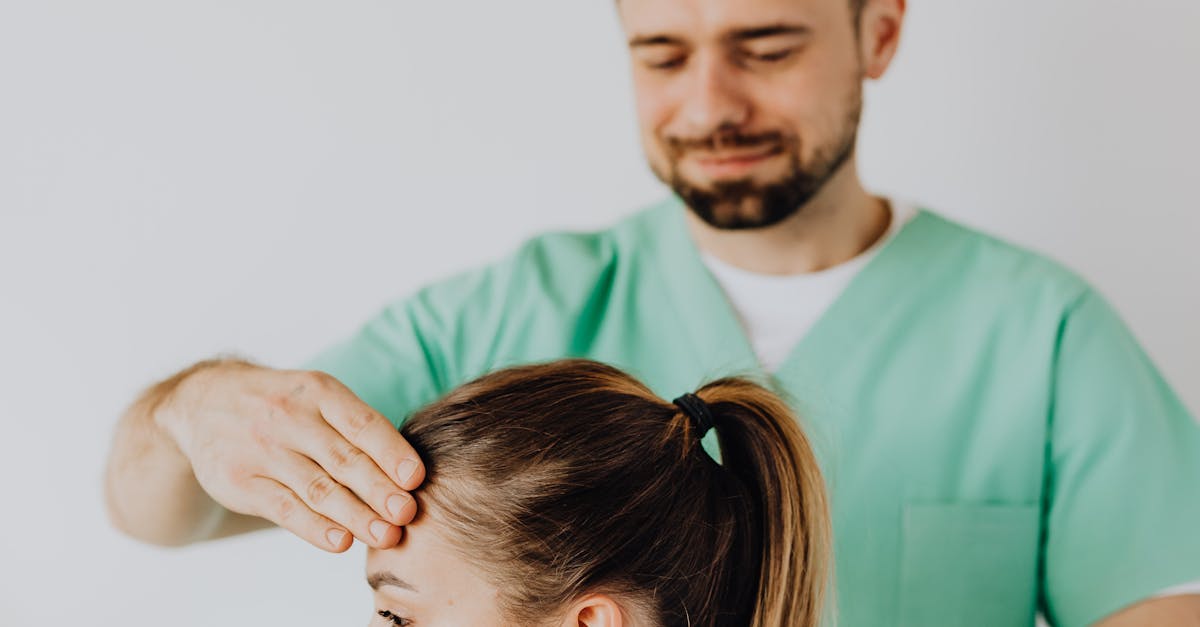
Physical Rehabilitation Strategies
Effective physical rehabilitation is crucial for promoting recovery in traumatic brain injury survivors. A combination of targeted exercises and therapy techniques can significantly enhance mobility and overall physical function. Strength training, balance exercises, and coordination drills help in regaining essential motor skills. Tailoring these activities to the individual’s abilities and limitations ensures that they are both challenging and achievable, thereby fostering a sense of accomplishment.
Incorporating various therapies such as physiotherapy, occupational therapy, and hydrotherapy can further support the rehabilitation process. Physiotherapy focuses on improving physical capabilities, while occupational therapy emphasises the ability to perform everyday tasks. Hydrotherapy, conducted in a controlled aquatic environment, allows for low-impact exercises that can be beneficial for individuals with mobility limitations. Collectively, these strategies create a comprehensive approach that addresses the diverse needs of survivors as they work towards reclaiming their independence and improving their quality of life.
Exercises and Therapies for Mobility Improvement
A variety of exercises can significantly enhance mobility for survivors of traumatic brain injury. Tailored physical therapy sessions often incorporate strength training, stretching, and balance exercises. These activities not only improve physical functioning but also boost confidence in mobility. Regular practice allows participants to track their progress and gain a sense of achievement, fostering motivation for further improvement.
Therapeutic interventions may include the use of assistive devices and technologies designed to aid movement. Occupational therapists often introduce adaptive techniques that help survivors navigate daily tasks more effectively. Group therapy sessions can also be beneficial, as they encourage social interaction while promoting physical activity. Through these collaborative efforts, individuals are provided with a supportive environment that nurtures their rehabilitation journey.
Emotional and Psychological Support
The journey of recovery after a traumatic brain injury often extends beyond the physical realm. Emotional and psychological well-being plays a critical role in the rehabilitation process. Many survivors experience feelings of anxiety, depression, and frustration, which can hinder their progress. Support from mental health professionals, including therapists and counsellors, is essential in addressing these challenges. Therapeutic techniques such as cognitive behavioural therapy (CBT) can help survivors develop coping strategies and enhance their emotional resilience.
Group therapy and peer support can provide a sense of belonging and understanding, fostering connections with others who share similar experiences. Engaging in conversations about feelings and shared challenges can alleviate the isolation often felt by survivors. Additionally, involving family members in therapy sessions can enhance communication and create a supportive environment for the individual as they navigate their recovery journey. These emotional support systems are vital in helping survivors regain confidence and establish a more positive outlook on life.
Addressing Mental Health Needs
Traumatic brain injury often leads to various emotional and psychological challenges for survivors. These may include anxiety, depression, and post-traumatic stress disorder (PTSD). Mental health assessment should be a priority following injury, allowing for tailored interventions that address individual needs. Regular therapy sessions, whether cognitive behavioural therapy or counselling, can provide essential coping strategies and emotional support. Collaborating with mental health professionals ensures that survivors receive comprehensive care alongside their physical rehabilitation.
Social support plays a critical role in addressing mental health issues in this population. Family members, friends, and caregivers can all contribute positively to a survivor’s emotional well-being. Peer support groups can also be beneficial, offering a safe space for individuals to share experiences and foster connections with others facing similar challenges. These supportive networks can significantly enhance the rehabilitation experience, helping survivors navigate their emotions and rebuild their self-esteem.
Empowering Survivors through Social Integration
Social integration plays a crucial role in the recovery journey of traumatic brain injury survivors. Engaging with community activities fosters a sense of belonging and purpose, which can significantly enhance overall well-being. Participation in local groups or clubs promotes social interaction and helps to rebuild confidence. Establishing connections with others who have faced similar challenges can offer emotional support and reduce feelings of isolation.
To facilitate meaningful connections, creating tailored programs that cater to the interests and needs of survivors is essential. Workshops and social events designed for various skill levels encourage participation and inclusiveness. Collaboration with local organisations can expand the reach of these initiatives, ensuring that survivors have access to vital resources. As a result, building a supportive network within the community empowers individuals to navigate the complexities of daily life post-injury.
Building Community Connections and Support Networks
Establishing strong community connections is crucial for survivors of traumatic brain injuries. Engaging in local support groups enables individuals to share their experiences and challenges with others who understand their journeys. These interactions foster a sense of belonging and reduce feelings of isolation. Community events and activities may also facilitate social integration and help survivors rebuild their self-esteem.
Support networks play a significant role in the recovery process. Family, friends, and community organisations can offer practical assistance, emotional encouragement, and resources. Collaboration between healthcare providers and local services enhances the availability of programmes tailored to the unique needs of survivors. This coordinated approach not only empowers individuals but also strengthens the overall community, creating an environment that promotes healing and resilience.
FAQS
What are community-based rehabilitation strategies for traumatic brain injury survivors?
Community-based rehabilitation strategies involve various interventions and support systems that aim to assist individuals recovering from traumatic brain injuries in their local environment, focusing on physical, emotional, and social aspects of rehabilitation.
How can physical rehabilitation strategies help traumatic brain injury survivors?
Physical rehabilitation strategies, including exercises and therapies tailored to improve mobility, strength, and coordination, can significantly enhance the physical functioning of traumatic brain injury survivors, thereby promoting their independence and quality of life.
What types of exercises are beneficial for improving mobility in TBI survivors?
Beneficial exercises may include balance training, strength-building activities, stretching routines, and functional movement exercises, all designed to enhance coordination, stability, and overall mobility.
Why is emotional and psychological support important for brain injury survivors?
Emotional and psychological support is crucial as traumatic brain injury can lead to mental health challenges such as depression, anxiety, and adjustment disorders. Addressing these needs helps survivors cope with their experiences and aids in their overall recovery process.
How can social integration benefit survivors of traumatic brain injury?
Social integration allows survivors to build connections with their community, engage in social activities, and create support networks, which can significantly enhance their sense of belonging, reduce isolation, and improve their mental well-being.
Related Links
Assessing and Addressing Balance Disorders in Traumatic Brain InjuryTailoring Exercise Programs for Individuals Recovering from Traumatic Brain Injury
Use of Virtual Reality in Physiotherapy for Traumatic Brain Injury
Functional Outcome Measures in Traumatic Brain Injury Physiotherapy
Neuroplasticity and Its Implications for Traumatic Brain Injury Rehabilitation