Developing Personalised Rehabilitation Protocols
Monitoring Progress
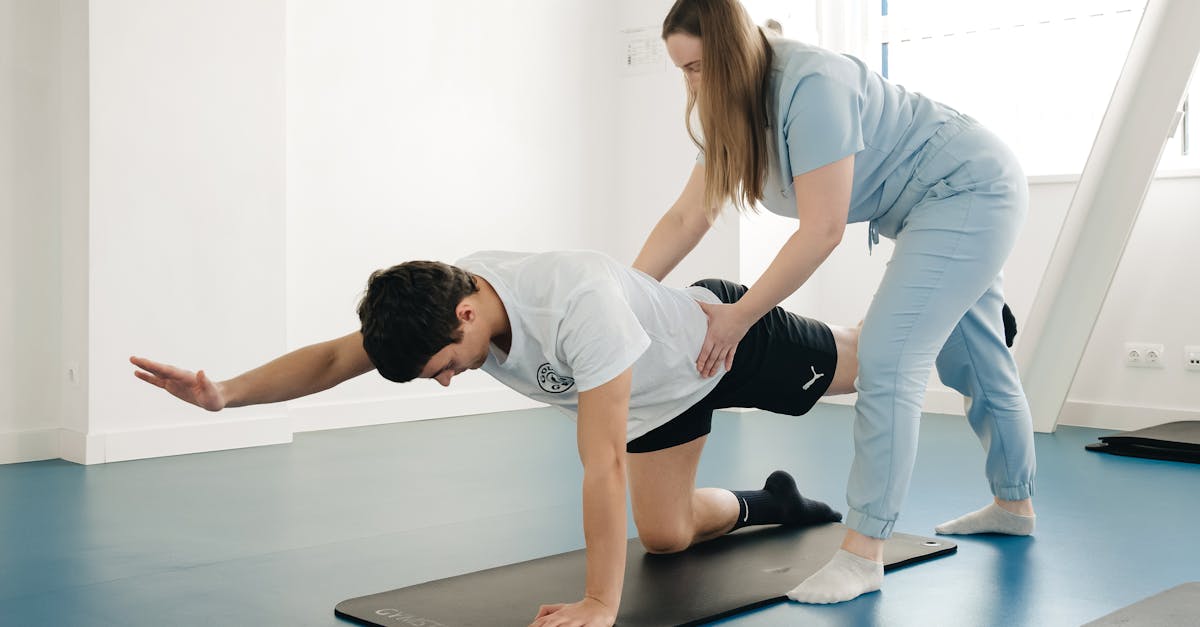
Monitoring progress in rehabilitation is crucial for ensuring that interventions are effective and tailored to individual needs. Regular assessments can provide insights into a patient's recovery trajectory. These evaluations often focus on physical performance, emotional well-being, and functional capabilities. By systematically tracking improvements or setbacks, healthcare providers can adjust their approach to maximise outcomes.
Different methods can be employed to gauge progression effectively. Standardised assessments offer quantifiable data, while qualitative feedback from the patient helps in understanding their experience. A combination of both objective and subjective measures can create a comprehensive picture of recovery. This holistic view is essential for understanding the nuances of each individual's journey, allowing for timely interventions when necessary.
Evaluation Techniques and Metrics
Assessing the effectiveness of rehabilitation protocols involves a variety of techniques and metrics. A common approach includes the use of standardised assessments to gauge an individual's progress. These evaluations can cover areas such as physical capabilities, emotional wellbeing, and functional achievements. Clinicians often track specific metrics over time, such as range of motion, muscle strength, and endurance levels, to quantify improvements. Additionally, patient-reported outcome measures (PROMs) serve as vital tools, enabling professionals to obtain direct feedback on a patient's perceived health status and quality of life.
Another crucial aspect of evaluation entails regular monitoring sessions, which facilitate ongoing adjustments to rehabilitation plans. These sessions can involve both subjective reports from patients and objective data collection. Techniques such as goal attainment scaling allow clinicians to determine whether individual objectives are being met throughout the rehabilitation journey. Incorporating a range of evaluation methods ensures a comprehensive understanding of a patient's progression, leading to more tailored and effective rehabilitation strategies. The emphasis remains on individual needs and outcomes, ultimately fostering a supportive environment for recovery.
Adjusting Protocols as Needed
Rehabilitation protocols should be flexible to accommodate changes in a patient’s condition or response to treatment. Regular assessments help identify when a modification is necessary. This could involve altering exercise intensity, frequency, or even the types of activities included in the regimen. Practitioners should remain vigilant to signs of both progress and potential setbacks, ensuring that adjustments are made promptly to optimise recovery.
Engaging patients in the process offers additional support in tailoring their rehabilitation. Encouraging open communication fosters a collaborative atmosphere, allowing individuals to express their feelings about the effectiveness of their current protocol. This partnership not only enhances motivation but also aids in recognising personal limits and strengths. Such insights are crucial for making informed adjustments that reflect the patient’s evolving needs.
Adaptive Strategies for Individual Progress
Every individual responds uniquely to rehabilitation efforts. It is crucial to develop adaptable strategies that can evolve to meet these varying needs. Clinicians may implement regular assessments to gauge a patient's response to a programme. This feedback allows adjustments to be made promptly, ensuring that the rehabilitation process remains effective and tailored to the individual.
Incorporating patient preferences and specific goals into the rehabilitation plan further enhances engagement and motivation. Fostering open communication between the patient and healthcare provider facilitates the identification of challenges and successes. By making these adaptations, practitioners can optimise rehabilitation outcomes while supporting the patient's journey towards recovery.
Incorporating Technology
The integration of technology in rehabilitation has transformed how personalised protocols are developed and implemented. Tools such as wearable devices and mobile applications can track vital metrics, gathering real-time data on a patient's progress. This information allows healthcare professionals to make informed decisions about the effectiveness of a rehabilitation plan. Monitoring heart rates, activity levels, and even gait analysis has become easier and more accurate, providing deeper insights into each individual's recovery journey.
Telehealth platforms have emerged as a significant innovation in rehabilitation practices. They facilitate remote consultations, enabling patients to engage with their therapists from the comfort of their homes. This approach not only increases accessibility but also maintains continuity of care. Digital resources, such as instructional videos and online exercise libraries, support patients in following their protocols. By utilising these technological advancements, rehabilitation practitioners can ensure a more tailored and effective experience for each individual.
Utilising Digital Tools in Rehabilitation
Digital tools are transforming rehabilitation practices, offering innovative ways to enhance patient engagement and monitoring. Mobile applications enable users to track their exercises, set goals, and receive reminders. These applications can also provide valuable feedback on progress, motivating patients to adhere to their protocols. Wearable technology, such as fitness trackers, monitors vital signs and physical activity levels, allowing both patients and healthcare providers to observe real-time data.
The integration of telehealth platforms further expands access to rehabilitation services. Connecting healthcare professionals and patients remotely facilitates consultations and follow-ups without the need for in-person visits. This approach enhances flexibility for patients, accommodating their schedules and reducing travel barriers. Additionally, digital platforms can offer tailored resources like instructional videos and educational materials, supporting effective rehabilitation efforts.
FAQS
What are personalised rehabilitation protocols?
Personalised rehabilitation protocols are tailored plans designed to meet the specific needs and goals of an individual, taking into account their unique medical history, physical condition, and personal preferences.
How can I monitor my progress during rehabilitation?
Progress can be monitored through various evaluation techniques and metrics, including regular assessments, feedback from healthcare professionals, and tracking improvements in mobility, strength, and overall functionality.
When should I adjust my rehabilitation protocol?
Rehabilitation protocols should be adjusted as needed based on ongoing evaluations of progress, changes in physical condition, or feedback from the patient regarding their experience and challenges encountered during the rehabilitation process.
What adaptive strategies can be used to enhance individual progress?
Adaptive strategies may include modifying exercises, incorporating new techniques, and setting achievable short-term goals to ensure continued motivation and engagement in the rehabilitation process.
How can digital tools aid in my rehabilitation?
Digital tools can enhance rehabilitation by providing remote monitoring, enabling virtual consultations, offering access to educational resources, and allowing for real-time tracking of progress through apps and wearable technology.
Related Links
Progress Monitoring in Physiotherapy Exercise RegimesFunctional Movement Assessments in Exercise Prescription
Creating Safe and Effective Home Exercise Routines
The Importance of Warm-Up and Cool-Down Exercises
Maximising Outcomes with Aquatic Therapy Techniques