Integrating Yoga Breathing Practices for Enhanced Respiratory Function
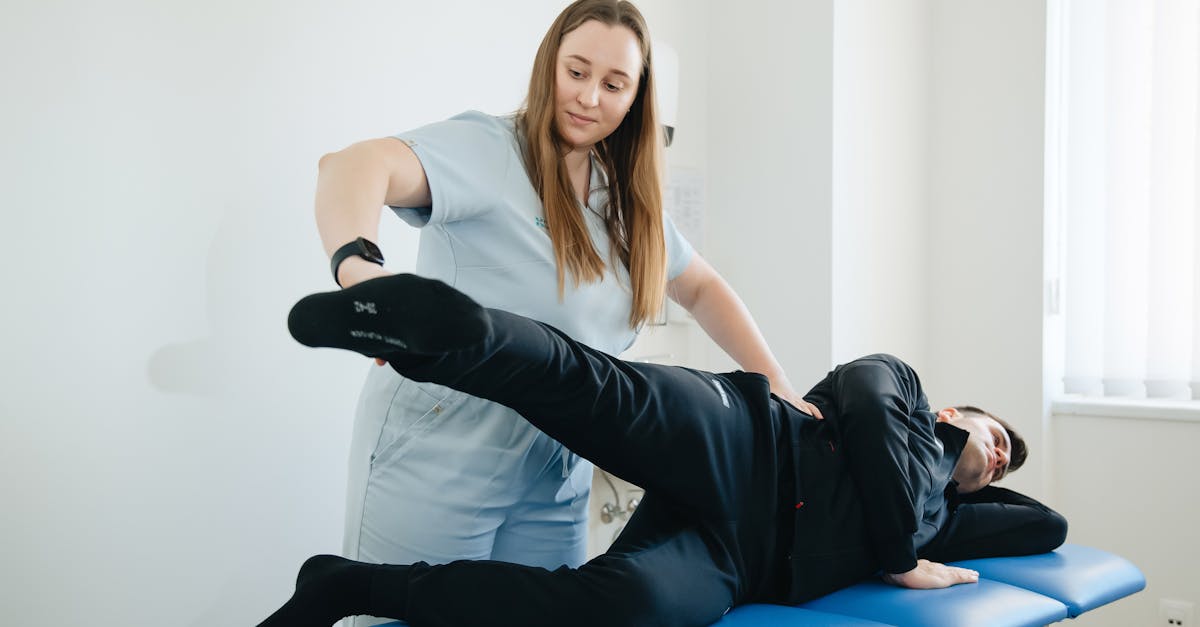
Creating a Yoga Routine for Respiratory Health
Establishing a consistent yoga practice lays the foundation for improved respiratory health. Begin by incorporating postures that promote lung expansion and diaphragm engagement. Poses like Bhujangasana (Cobra Pose) and Utkatasana (Chair Pose) facilitate deeper inhalation and exhalation, encouraging airflow throughout the chest. As you develop your routine, dedicate specific time to pranayama techniques, such as Nadi Shodhana (Alternate Nostril Breathing) and Kapalabhati (Skull Shining Breath). These practices enhance lung capacity and optimise oxygen utilisation.
Timing and location contribute significantly to establishing an effective routine. Choose a quiet space free from distractions to foster concentration, allowing you to connect deeply with your breath. Mornings often prove beneficial for practice; this time can energise the body and set a positive tone for the day ahead. Aim for short sessions at first to build comfort and familiarity. Gradually increase session duration and complexity to challenge your respiratory ability, promoting long-term health and vitality.
Structuring Your Sessions Effectively
An effective yoga session focused on respiratory health requires a balanced approach to both breathing exercises and physical postures. Start by incorporating a gentle warm-up to prepare the body and mind. This may include simple stretches to release tension. Gradually introduce breathwork techniques, such as diaphragmatic breathing or Ujjayi breath, to create a connection between breath and movement. Each posture should be held long enough to allow for multiple breath cycles, encouraging a deeper awareness of how breath influences physical alignment and overall comfort.
Varying the structure of each session can help address individual needs and enhance engagement. Begin with foundational practices, then advance to more challenging postures as proficiency develops. Incorporate periods of stillness where participants can focus solely on their breathing, facilitating a deeper meditative state. Closing the session with calming techniques, like Savasana, allows for integration of the experiences gained during practice. This structured approach optimally supports respiratory function while promoting overall well-being.
Common Challenges in Breath Control
Many individuals encounter various obstacles when attempting to optimise breath control during yoga practices. Tension and anxiety can significantly hinder one’s ability to achieve a calm and focused breath. Physical barriers, such as respiratory conditions or poor posture, may also interfere with the natural rhythm of breathing. These issues not only affect performance in yoga but can also have a detrimental impact on overall respiratory health.
Additionally, distractions from external environments or internal thoughts can make it challenging to maintain awareness of breath. This lack of concentration compromises the effectiveness of breathing techniques. Developing a consistent practice becomes essential in identifying and addressing these challenges. Familiarity with one's body and breath patterns can pave the way for improvements and a more fulfilling yoga experience dedicated to enhancing respiratory function.
Strategies to Overcome Breathing Difficulties
Experiencing challenges in controlling breath can be frustrating, especially during practice. One effective strategy is to incorporate diaphragmatic breathing. This method encourages full expansion of the lungs, promoting deeper and more efficient breathing. Practitioners can lie on their backs with knees bent, placing a book on their abdomen. As they inhale deeply, the goal is to lift the book gradually, creating resistance and enhancing awareness of breath control.
Another helpful approach involves employing the 4-7-8 breathing technique. This pattern helps regulate breath and foster relaxation. To execute this, individuals inhale through the nose for a count of four, hold the breath for seven counts, then exhale through the mouth for a count of eight. Regular practice of this technique can aid in overcoming shallow breathing habits and improve overall respiratory function. By integrating these strategies into their yoga routines, practitioners can cultivate a deeper connection to their breath.
Enhancing Performance Through Breath Awareness
Athletes often overlook the profound impact of breath on their performance. Effective breath control can lead to increased stamina and improved focus during training and competitions. By cultivating an awareness of breath, individuals can optimise their oxygen intake, which directly influences energy levels and endurance. Developing a routine that incorporates breath awareness allows athletes to establish a deeper connection with their bodies, potentially enhancing their overall performance.
Moreover, breath control plays an integral role in managing stress and anxiety during high-pressure situations. When faced with competitive scenarios, athletes frequently experience elevated heart rates and heightened tension. Techniques such as mindful breathing can help regulate these physical responses, promoting composure and clarity of thought. This mental calmness translates to better decision-making and improved execution of skills, ultimately contributing to a more successful athletic experience.
How Breath Influences Athletic Ability
Breath control plays a pivotal role in optimising athletic performance. Every sport demands a different approach to breathing, from the short, rapid breaths common in sprinting to the slower, deeper inhales needed for endurance activities. Proper breath management enhances oxygen uptake and utilisation, which is crucial for maintaining energy levels during strenuous physical exertion. Athletes who master their breathing techniques can achieve improved stamina, increased focus, and a greater ability to regulate their heart rate, allowing for better performance under pressure.
Awareness of breath can also enhance mental clarity and overall concentration. When athletes learn to synchronise their breath with their movements, it promotes a flow state that can lead to improved performance. This connection fosters a sense of rhythm and timing that is essential in sports, helping to execute skills with precision. Taking control of one’s breath can serve as a powerful tool for stress reduction, allowing athletes to maintain composure and resilience during competition, further elevating their physical capabilities.
FAQS
What are the main benefits of integrating yoga breathing practices for respiratory health?
Integrating yoga breathing practices can enhance lung capacity, improve oxygenation, reduce stress, and promote overall respiratory function. It can also help with conditions such as asthma and anxiety by teaching better control over breath.
How often should I practice yoga breathing exercises to see improvements in my respiratory function?
For optimal results, it is recommended to practice yoga breathing exercises regularly, ideally daily or several times a week. Consistency is key to experiencing the full benefits of these techniques.
Are there specific breathing exercises that are best for beginners?
Yes, beginners can start with simple techniques such as diaphragmatic breathing, alternate nostril breathing, and equal breathing. These exercises are gentle and help build a solid foundation for more advanced practices.
What common challenges might I face when learning breath control in yoga?
Common challenges may include difficulty maintaining focus, shortness of breath, or feeling light-headed. It's important to listen to your body and progress at a comfortable pace.
How does breath awareness influence athletic performance?
Breath awareness enhances athletic performance by improving oxygen delivery to muscles, increasing endurance, and helping athletes maintain calmness under pressure, ultimately leading to improved focus and performance.
Related Links
Evidence-Based Approaches to Active Cycle of Breathing TechniquesUtilising Incentive Spirometry for Optimal Lung Expansion
The Application of Aerobic Conditioning in Lung Function Improvement
Utilising Postural Drainage Techniques for Better Lung Health
Exploring the Benefits of Inspiratory Muscle Training