Long-term Outcomes of Spinal Cord Injury Rehabilitation
Assistive Technologies in Recovery
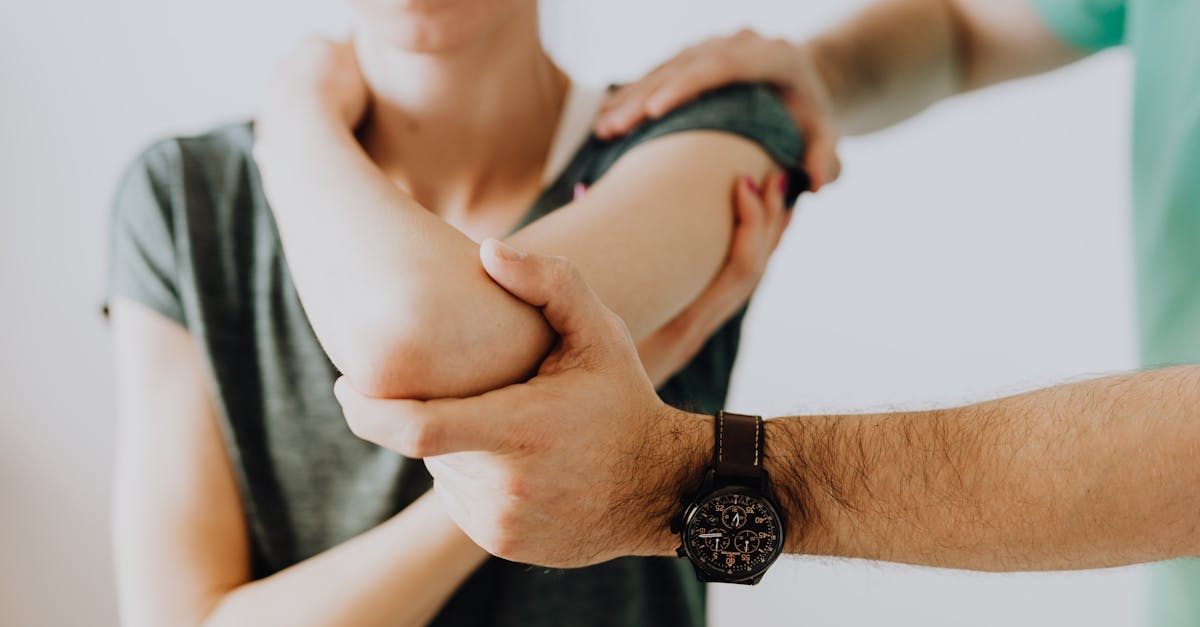
Assistive technologies play a crucial role in the rehabilitation process for individuals with spinal cord injuries. These devices and software solutions enhance mobility, facilitate communication, and promote independence. Wheelchairs equipped with advanced features, including powered mobility systems, enable users to navigate various environments more effectively. Furthermore, exoskeletons and other robotic devices support individuals in re-learning movement patterns, contributing to improved physical function and overall recovery.
In addition to physical assistance, technological innovations extend into areas such as telehealth and health monitoring. These systems allow healthcare professionals to remotely track patient progress and adjust rehabilitation plans as needed. The integration of mobile applications also offers users personalised resources for exercise routines and daily management techniques. Such advancements not only streamline the rehabilitation journey but also empower individuals, fostering a sense of agency in their ongoing recovery process.
Innovative Devices for Improved Mobility
Advancements in technology have led to the development of innovative devices designed to enhance mobility for individuals with spinal cord injuries. Exoskeletons and robotic mobility aids now offer users the ability to stand and walk, significantly improving their physical capabilities. These devices provide not only functional assistance but also promote social engagement and independence. The integration of sensors and adaptive systems allows for a more responsive experience, catering to the unique needs of each user.
Another significant breakthrough features smart wheelchairs equipped with navigation systems and obstacle detection. These assistive technologies empower users to travel more autonomously, further reducing reliance on caregivers. Enhancements in design and comfort also play a crucial role in encouraging participation in daily activities. As these devices continue to evolve, they promise to offer even greater support for mobility and overall quality of life for individuals navigating the challenges related to spinal cord injuries.
Long-Term Care Considerations
Effective long-term care for individuals with spinal cord injuries requires a comprehensive approach that encompasses medical, physical, and emotional support. Continuous monitoring of physical health is essential to address any secondary complications, such as pressure sores or urinary tract infections. Physiotherapy and occupational therapy play pivotal roles in maintaining mobility and independence. Regular assessments and adjustments to the care plan ensure that patients receive targeted interventions tailored to their evolving needs.
Equally important is the provision of psychological support to assist individuals in coping with the emotional challenges following a spinal cord injury. Mental health services, including counselling and support groups, can foster a sense of community and help individuals process their experiences. Furthermore, family involvement in the care process can enhance the support network, facilitating communication and promoting understanding. Such considerations are vital for fostering an environment conducive to successful long-term recovery.
Strategies for Ongoing Support
Ensuring continuous support for individuals with spinal cord injuries requires a multifaceted approach. Rehabilitation does not end with the completion of therapy. Regular follow-ups with healthcare professionals can help address any emerging physical or psychological challenges. Peer support groups provide an essential space for sharing experiences and fostering connections among individuals facing similar struggles. These networks can significantly minimise feelings of isolation while helping participants develop coping strategies.
Adapting home environments is another crucial aspect of ongoing support. Home modifications, including wheelchair ramps and bathroom adaptations, can enhance independence and safety. Families and caregivers play a vital role in this process by learning about the specific needs of individuals with spinal cord injuries. Training in mobility assistance and emergency response techniques can also empower them to provide effective support. By fostering a collaborative environment, the recovery journey remains robust and hopeful.
Impact on Quality of Life
The aftermath of spinal cord injury significantly influences various aspects of an individual's quality of life. Emotional well-being often suffers as patients navigate the challenges of altered physical capabilities. Many experience feelings of isolation, frustration, and uncertainty regarding their future. Family dynamics may shift, as loved ones adapt to new roles and responsibilities, further complicating the healing process. These psychological adjustments are as crucial as physical rehabilitation, impacting overall life satisfaction.
Physical independence plays a vital role in an individual's perception of life quality. The ability to perform daily activities without assistance can affect self-esteem and social interactions. Rehabilitation programmes that focus on enhancing functional mobility and encouraging participation in community activities can lead to improved outcomes. As people regain confidence and develop new skills, their ability to engage in life enriches their experiences beyond the confines of physical limitations. The interplay between physical capabilities and emotional health ultimately shapes the long-term effects of spinal cord injuries on quality of life.
Measuring Life Satisfaction Post-Rehabilitation
Evaluating life satisfaction after spinal cord injury rehabilitation provides essential insights into the effectiveness of various interventions. Individuals often experience a range of emotional and psychological adjustments during this process. Standardised measurement tools, such as the Satisfaction with Life Scale, offer quantitative data on subjective well-being and contentment levels. These assessments can help healthcare professionals tailor support mechanisms that address specific needs.
Social integration plays a crucial role in life satisfaction for those recovering from spinal cord injuries. Participation in community activities and social networks contributes to a sense of belonging and purpose. Regular follow-up assessments can identify changes in satisfaction levels over time. Understanding these patterns allows for more effective long-term care strategies, ensuring that individuals feel supported on their journey towards reclaiming independence and fulfilment.
FAQS
What are the key components of spinal cord injury rehabilitation?
The key components of spinal cord injury rehabilitation include physical therapy, occupational therapy, psychological support, and the use of assistive technologies to enhance mobility and independence.
How do assistive technologies aid in spinal cord injury recovery?
Assistive technologies offer various solutions, such as powered wheelchairs, exoskeletons, and adaptive devices, which help individuals regain mobility, perform daily tasks, and improve their overall quality of life.
What long-term care options are available for spinal cord injury patients?
Long-term care options may include outpatient rehabilitation services, home health care, community support programs, and ongoing medical management to address complications and promote overall well-being.
How can families support a loved one with a spinal cord injury?
Families can support their loved ones by providing emotional encouragement, helping with daily activities, advocating for their needs, and participating in rehabilitation efforts alongside them.
What metrics are used to measure life satisfaction after spinal cord injury rehabilitation?
Life satisfaction post-rehabilitation can be assessed through surveys and questionnaires that evaluate physical well-being, emotional health, social support, and overall quality of life indicators.
Related Links
Importance of Family Involvement in Spinal Cord RehabilitationInnovative Therapies in Spinal Cord Injury Recovery
Promoting Mental Well-being in Spinal Cord Injury Patients
Community Resources for Spinal Cord Injury Support
Assessment Techniques for Spinal Cord Injury Rehabilitation