Strategies for Integrating Breathing Exercises into Daily Life
Combining Breathing Exercises with Physical Activity
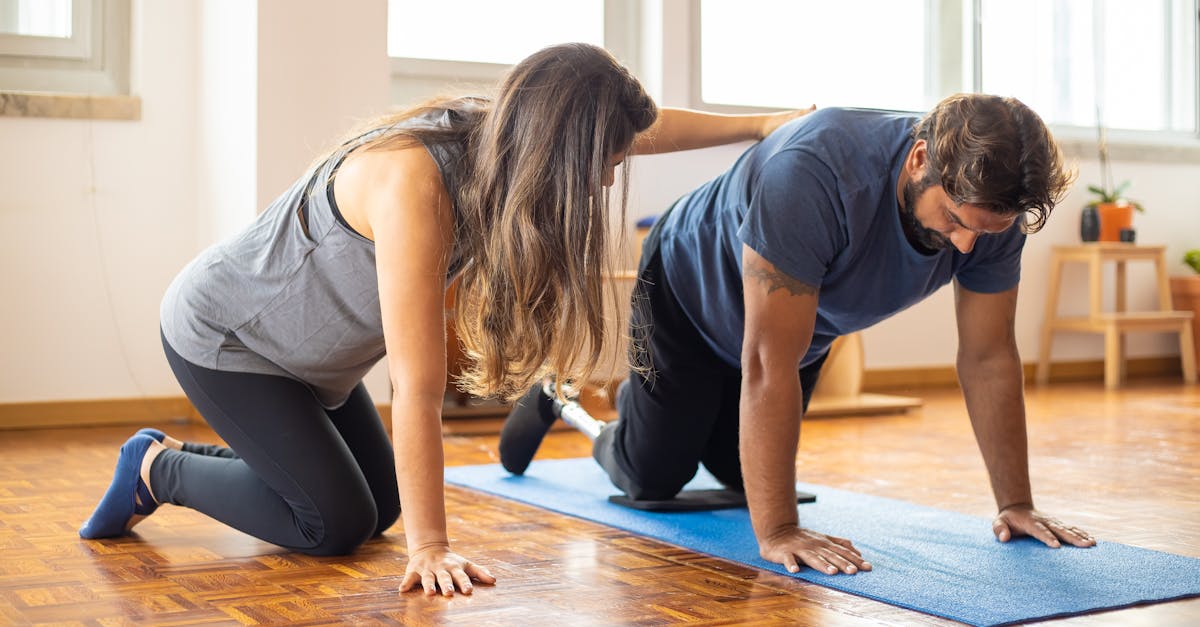
Integrating breathing exercises with physical activity can enhance overall performance and well-being. Focusing on breath control during workouts improves oxygenation and stamina. This practice encourages a deeper connection between mind and body, allowing individuals to tune into their physical sensations more attentively. Adopting techniques such as diaphragmatic breathing during aerobic workouts can promote relaxation and reduce fatigue, leading to more effective sessions.
Incorporating breath awareness into activities like yoga, running or weightlifting can elevate the experience. For instance, synchronising breath with movement helps maintain a steady rhythm, which can improve endurance. This approach not only enhances the physical benefits of exercise but can also cultivate mental resilience. Developing a habit of mindful breathing can transform a regular workout into a more intentional and rewarding practice.
Enhancing Workouts with Breath Control
Incorporating breath control into workouts can significantly improve performance and endurance. Focusing on your breathing technique allows for better oxygen delivery to the muscles. This not only enhances stamina but also aids in maintaining energy levels throughout the session. It is particularly beneficial during high-intensity exercises when the body demands increased oxygen flow for efficient energy production.
Practising specific breathing patterns while exercising can also enhance concentration and mindfulness. As you synchronise your breath with movement, it becomes easier to stay present and engaged in your routine. This connection fosters a deeper awareness of your body, helping you recognise when to push harder or ease off. Developing a habit of controlling your breath turns workouts into a more holistic experience, balancing physical exertion with mental clarity.
Developing a Routine That Works for You
Creating a consistent routine for breathing exercises is essential for reaping their benefits. Start by identifying specific times in your day when you can dedicate a few moments to practice. Mornings can be particularly effective, setting a calm tone for the day. Alternatively, evenings allow for reflection and relaxation, preparing both body and mind for restful sleep. Experiment with various times to find what feels best for you, ensuring that your choice aligns with your personal lifestyle.
Staying flexible with your routine is equally important. Life can be unpredictable, and some days may not permit a longer session. In such cases, opt for shorter bursts of breathing exercises, integrating them alongside daily tasks. For instance, deep breaths during a break at work can reduce stress and enhance focus. Over time, these small adjustments will help establish a routine that feels both manageable and rewarding, allowing breathing exercises to become an intrinsic part of your lifestyle.
Structuring Your Day Around Breathing Sessions
Establishing a schedule for breathing exercises can significantly enhance their effectiveness. Identifying specific times during the day when you can dedicate a few minutes to practice helps create a sense of routine. Whether it's early in the morning, during lunch breaks, or before bed, consistency will allow you to incorporate these exercises seamlessly into your daily activities. Setting an alarm or reminder can serve as a helpful prompt, ensuring these moments of mindfulness do not get overlooked in a busy day.
In addition to fixed time slots, it can be beneficial to integrate breathing exercises with existing habits. Pairing these sessions with activities like sipping morning tea, waiting for the kettle to boil, or even during a daily commute can turn ordinary moments into opportunities for mindfulness. This approach reinforces the practice without feeling overly burdensome, making it a natural part of your life rather than an additional task. The key is to personalise the timing and settings, creating a strategy that aligns with your lifestyle.
Engaging with a Community for Motivation
Connecting with others who share a commitment to breathing exercises can significantly enhance motivation and accountability. Participating in group sessions, whether in-person or online, fosters a sense of belonging. Members can exchange techniques, share progress, and encourage each other throughout their journeys. This communal aspect often amplifies the benefits of individual practice, creating a supportive environment that can lead to lasting behavioural changes.
Accessing local or online groups presents diverse options for individuals seeking inspiration. Many community centres, gyms, and wellness studios offer classes that incorporate breathwork into their schedules. Online platforms also host a wealth of resources, facilitating engagement with like-minded individuals across the globe. This interaction not only promotes consistency in practice but also allows participants to celebrate milestones, reaffirming their commitment to integrating breathing exercises into daily life.
Finding Local or Online Groups for Support
Joining a community focused on breathing exercises can provide essential support and motivation. Local groups often offer face-to-face interactions, fostering a sense of accountability among participants. Workshops and classes provide structured environments where individuals can learn from instructors and share experiences with peers. This interaction not only enhances motivation but also cultivates a deeper understanding of various breathing techniques.
For those who prefer online connections, numerous platforms cater to enthusiasts of breathing practices. Virtual groups often host live sessions, webinars, and discussion forums, allowing participants to engage with others from around the world. These online communities can offer valuable resources, such as video tutorials and articles, while providing a platform for sharing personal progress and challenges. Engaging with others in these spaces can significantly enrich one's practice and keep enthusiasm high.
FAQS
How can I incorporate breathing exercises into my daily workout routine?
You can enhance your workouts by integrating breath control techniques, such as inhaling deeply during exertion and exhaling during relaxation phases. This practice not only improves performance but also increases overall lung capacity and oxygen flow.
What are some tips for structuring my day around breathing sessions?
Start by identifying times when you can dedicate a few minutes solely to breathing exercises, such as first thing in the morning or during breaks at work. Setting reminders or tying these sessions to existing activities, like meditation or yoga, can help you establish a consistent routine.
Are there specific breathing exercises that are best for beginners?
Yes, beginners can start with simple exercises like diaphragmatic breathing, box breathing, or 4-7-8 breathing. These techniques are easy to learn and can be gradually incorporated into daily life.
How can I find a community to support my breathing exercise journey?
Look for local yoga studios, wellness centres, or fitness classes that offer sessions focusing on breathwork. Online platforms, such as social media groups or wellness forums, can also connect you with others interested in breathing exercises.
What benefits can I expect from regularly practicing breathing exercises?
Regular practice can lead to improved mental clarity, reduced stress, enhanced physical performance, and better emotional regulation. Over time, you may also notice increased relaxation and an overall sense of well-being.
Related Links
Tailoring Breathing Techniques for Chronic Respiratory ConditionsExploring the Benefits of Pursed Lip Breathing
The Science Behind Breathing and Lung Health
Common Mistakes in Breathing Techniques and How to Avoid Them
Developing a Personalised Breathing Exercise Plan