The Role of Family in Stroke Recovery
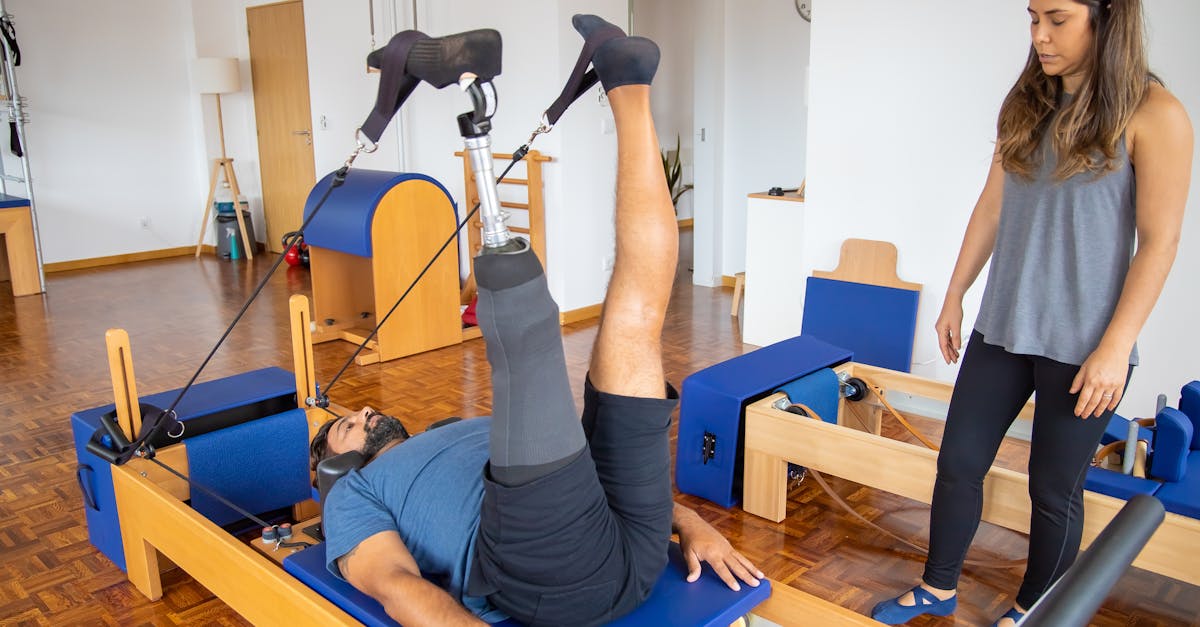
The Role of Caregivers in Stroke Recovery
Caregivers play a crucial role in the recovery process of stroke survivors. Their presence often provides emotional stability and physical assistance necessary for rehabilitation. They help with daily tasks, ensuring that survivors can focus on regaining independence. Support from caregivers can significantly influence a survivor’s mental health and motivation. Understanding the specific needs of the individual is essential for effective caregiving.
Family members frequently take on the caregiver role, which can be both rewarding and challenging. Balancing caregiving responsibilities with personal needs becomes necessary for maintaining well-being. Caregivers may experience stress and fatigue, highlighting the importance of seeking external support and respite when needed. Learning about stroke recovery processes allows them to provide informed care and advocate effectively for their loved ones.
Balancing Care and Personal Well-being
The demands placed on caregivers can be overwhelming. Providing support for a stroke survivor often requires significant physical and emotional effort. Caregivers may find themselves managing medical appointments, assisting with daily tasks, and providing emotional reassurance. This level of involvement can lead to exhaustion and stress. It is essential for caregivers to recognise their own needs and prioritise self-care to maintain their well-being.
Implementing a routine that includes time for relaxation or personal interests is crucial. Establishing boundaries helps ensure that caregivers do not become consumed by their responsibilities. Seeking assistance from extended family members or professional services can lighten the load. Engaging in support groups allows caregivers to share experiences and gain insights from others facing similar challenges. By fostering a balanced approach, caregivers not only enhance their own health but also contribute positively to the recovery of their loved ones.
Coping with Changes in Family Dynamics
A stroke not only impacts the individual but also reverberates through the family structure. The sudden alteration in the needs of the stroke survivor can lead to shifts in relationships among family members. Roles may change as relatives take on new responsibilities, such as caregiving or managing financial affairs. These transitions can sometimes lead to feelings of resentment, confusion, or even isolation among family members, especially if the roles were not clearly defined.
As families navigate these changes, communication becomes essential. Open discussions about feelings and expectations can help prevent misunderstandings and foster a supportive environment. Encouraging one another to express concerns while actively listening can strengthen bonds and lead to a more harmonious family dynamic. This approach not only facilitates understanding but also promotes collective problem-solving, allowing families to adapt more effectively to their new circumstances.
Navigating New Roles and Responsibilities
The aftermath of a stroke often results in shifted roles within the family unit. Family members may find themselves stepping into new positions, whether as primary caregivers, financial managers, or emotional supporters. This transition requires a degree of flexibility and adaptability, as each family member assesses their capabilities and resources. Often, this involves learning new skills and adjusting to the varying needs of the stroke survivor, which can be both demanding and rewarding.
Adjusting to these changes can lead to feelings of confusion, stress, or even resentment among family members. Open communication becomes vital in navigating these new dynamics, as discussing individual feelings and expectations helps to alleviate misunderstandings. Regular family meetings or informal discussions can facilitate a supportive environment where everyone expresses their thoughts and shares responsibilities. Establishing clear boundaries can also promote a sense of balance, allowing each person to contribute while still maintaining their own well-being.
Resources for Families of Stroke Survivors
Families of stroke survivors often find themselves in need of support and information as they navigate the recovery journey. Various organisations and resources can provide essential assistance, ranging from educational materials about stroke and rehabilitation to practical guidance on caregiving. Websites dedicated to stroke awareness often offer toolkits that include checklists, symptom management strategies, and advice on how to advocate for a loved one’s needs within the healthcare system. Connecting with these resources can empower families, helping them to understand the complexities of stroke recovery and the available therapies.
Support groups play a crucial role in fostering a sense of community among families facing similar challenges. These groups can be local or virtual, allowing members to share experiences, feelings, and coping strategies. Professionals who specialise in stroke recovery often facilitate these meetings, providing expert insights and emotional support. Additionally, many communities provide access to workshops and seminars that address the changing roles within the family as they adapt to new realities. Taking advantage of these resources can enhance resilience and improve the overall well-being of both the stroke survivor and their family.
Finding Community and Professional Support
Support networks play a crucial role in the recovery journey of stroke survivors and their families. Engaging with local support groups provides a platform for individuals to share experiences and gain insights from others who have faced similar challenges. These communities often offer emotional reassurance, helping families feel less isolated during difficult times. Additionally, an array of online forums can connect caregivers and survivors with resources, information, and shared stories, fostering a sense of belonging beyond geographical limitations.
Professional services also offer invaluable assistance in stroke recovery. Access to rehabilitation experts, including physiotherapists and occupational therapists, helps survivors regain mobility and independence. Speech therapists can address communication difficulties that often accompany strokes. Families may benefit from consultations with neuropsychologists who provide guidance on cognitive challenges. Collaborating with various professionals ensures a comprehensive approach to recovery, ultimately enhancing the overall well-being of both the stroke survivor and their loved ones.
FAQS
How can family members support a stroke survivor during their recovery?
Family members can support a stroke survivor by providing emotional encouragement, assisting with daily activities, and facilitating communication between the survivor and healthcare professionals. It's also beneficial to educate themselves about the effects of stroke to better understand the survivor's needs and challenges.
What are some ways caregivers can maintain their own well-being while caring for a stroke survivor?
Caregivers can maintain their well-being by setting boundaries, taking regular breaks, seeking respite care, and engaging in self-care activities. It's important for caregivers to connect with support groups or counselling to discuss their feelings and experiences.
How might a stroke affect family dynamics?
A stroke can significantly alter family dynamics as roles and responsibilities may shift. Family members may have to take on caregiving roles, which can lead to stress and changes in relationships. Open communication and support can help families adapt to these changes.
What new roles might family members have to take on after a stroke occurs?
Family members may need to take on roles such as caregiver, advocate, and coordinator of medical care. They may also need to manage household responsibilities and provide emotional support, which can require learning new skills and adapting to new routines.
Where can families of stroke survivors find additional support and resources?
Families can find support and resources through healthcare providers, stroke recovery organisations, local support groups, and online communities. These resources often provide access to information, counselling, and connections with others facing similar challenges.
Related Links
Psychological Support in Stroke Rehabilitation ProcessesOccupational Therapy in Conjunction with Stroke Physiotherapy
Evidence-Based Techniques for Stroke Survivors' Rehabilitation
The Importance of Early Intervention in Stroke Rehabilitation
Personalised Rehabilitation Plans for Stroke Patients