The Role of Physiotherapy in COPD Management
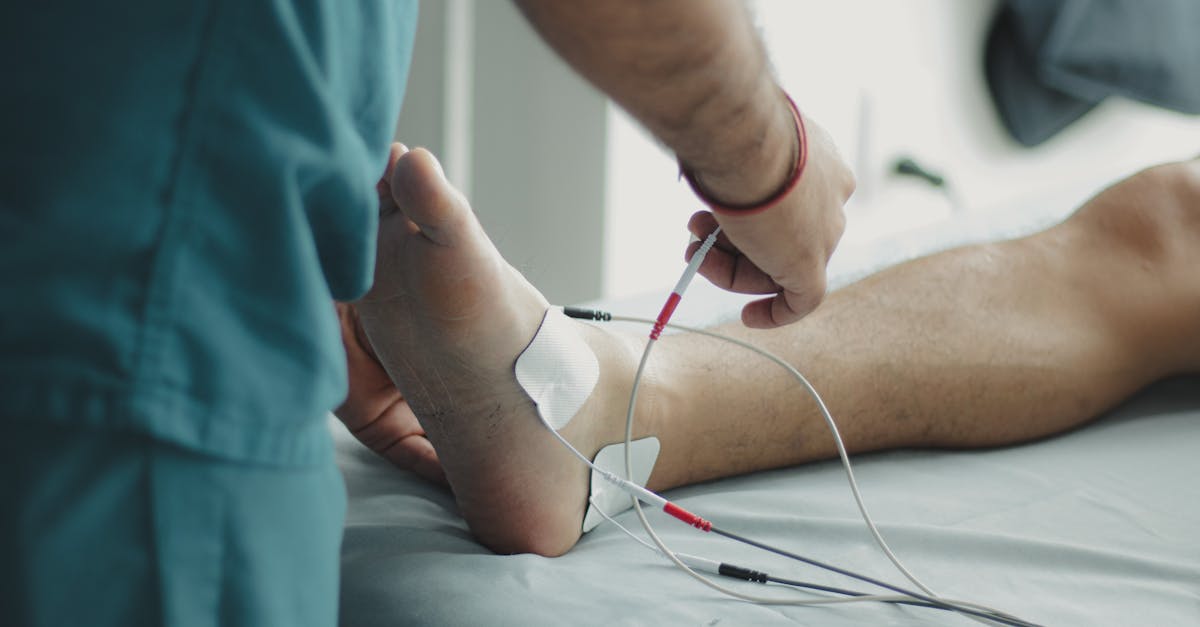
Exercise and COPD Management
Physical activity plays a crucial role in managing Chronic Obstructive Pulmonary Disease (COPD). Engaging in tailored exercise programmes can improve strength, endurance, and overall functionality. This is particularly important for individuals with COPD, as physical activity helps combat the effects of deconditioning often associated with the condition. Exercise can also increase the efficiency of respiratory muscles, enhancing the ability to perform daily activities without excessive fatigue or breathlessness.
Guided exercise routines, such as pulmonary rehabilitation, aim to not only improve physical fitness but also to educate patients on how to breathe effectively during exertion. Strength training and aerobic activities, adapted to an individual’s capacity, contribute to increased quality of life. Patients often report better mood and reduced anxiety levels alongside physical improvements. Incorporating exercise into daily routines encourages adherence while fostering a sense of control over their health.
The Benefits of Physical Activity
Engaging in regular physical activity provides numerous advantages for individuals managing chronic obstructive pulmonary disease (COPD). Improved lung function is a primary benefit, as exercise enhances respiratory muscle strength and efficiency. This leads to better air flow and an increased capacity for physical exertion, contributing to a more active lifestyle. Furthermore, exercise has a significant impact on overall physical fitness, which can help reduce the severity of COPD symptoms and prevent further decline in lung health.
In addition to physical benefits, regular exercise plays a crucial role in mental well-being for those with COPD. Many patients experience anxiety and depression linked to their condition. Participating in physical activities can mitigate these feelings through the release of endorphins, leading to improved mood and a greater sense of control over one's health. Social interactions during group exercises also foster a supportive environment, promoting motivation and adherence to exercise regimens vital for effective COPD management.
Patient Education and Self-Management
Effective patient education is integral to the management of Chronic Obstructive Pulmonary Disease. Patients equipped with knowledge about their condition tend to engage more actively in their care. Understanding the nature of COPD, its progression, and potential complications can motivate individuals to adopt healthier lifestyles. This foundational knowledge encourages adherence to prescribed therapies, leading to improved health outcomes and reduced exacerbations.
Self-management strategies are crucial for enhancing patients' confidence in managing their symptoms. Techniques such as recognising early warning signs of exacerbations, practicing breathing exercises, and maintaining an exercise routine enable individuals to take control of their health. Additionally, providing resources and support systems fosters a collaborative environment where healthcare professionals and patients work together towards better management.
Empowering Patients Through Knowledge
Understanding chronic obstructive pulmonary disease (COPD) is crucial for patients to manage their condition effectively. Education about the disease, its progression, and symptom management enables individuals to take control of their health. Informing patients about the triggers that may exacerbate their symptoms fosters a greater sense of responsibility in their daily routines. Knowledge empowers patients to make informed decisions regarding their lifestyle, medication adherence, and healthcare interactions.
Self-management strategies are integral to successful COPD management. Patients equipped with practical skills, such as recognising early signs of exacerbation and knowing when to seek help, can significantly improve their quality of life. By engaging in educational programmes, individuals gain access to resources and support networks that enhance their understanding and provide encouragement. This proactive approach not only boosts confidence but also cultivates a collaborative relationship between patients and healthcare professionals.
Monitoring Progress and Outcomes
Regularly tracking a patient's progress is essential in managing COPD effectively. Physiotherapists often utilise a combination of clinical assessments and patient-reported outcomes to gauge improvements. These evaluations may include measuring lung function through spirometry tests, assessing exercise tolerance via a six-minute walk test, and monitoring symptoms through questionnaires. Such systematic monitoring allows for tailored interventions and modifications in treatment plans based on individual needs and responses.
Outcomes can vary significantly between patients, making it crucial to establish personalized benchmarks. By setting realistic goals, healthcare providers can empower patients to take an active role in their management. Additionally, documenting changes over time helps clinicians identify areas where further support may be needed, facilitating a more dynamic and responsive approach to care. This ongoing assessment plays a vital role in enhancing the overall quality of life for individuals living with COPD.
Assessing Improvements in Respiratory Function
Regular assessment of respiratory function is crucial in determining the effectiveness of physiotherapy interventions for patients with chronic obstructive pulmonary disease (COPD). Standardised tests such as spirometry provide objective measures of lung function. These tests gauge various parameters, including forced expiratory volume and forced vital capacity. They allow healthcare professionals to track changes over time, which can indicate whether physical activity and exercise programmes are improving respiratory capacity.
Monitoring patient progress also encompasses subjective measures, including self-reported symptoms and daily activity levels. Questionnaire frameworks, like the Modified Medical Research Council dyspnoea scale, help gauge the impact of COPD on a patient’s quality of life. Combining both objective and subjective data equips healthcare practitioners with a comprehensive understanding of improvements in respiratory function, enabling them to tailor ongoing treatment plans and support mechanisms effectively.
FAQS
What is COPD and how does it affect the lungs?
Chronic Obstructive Pulmonary Disease (COPD) is a progressive lung condition characterised by persistent respiratory symptoms and airflow limitation. It often results from long-term exposure to harmful particles or gases, leading to inflammation and damage in the lungs.
How can exercise benefit individuals with COPD?
Exercise can improve lung function, increase muscle strength, enhance endurance, and reduce symptoms such as breathlessness. Physical activity also contributes to better overall health and quality of life for those living with COPD.
What role does patient education play in COPD management?
Patient education is crucial in COPD management as it empowers individuals with knowledge about their condition. Understanding how to manage symptoms, recognise triggers, and follow treatment plans can lead to improved self-management and health outcomes.
How can progress in COPD management be monitored?
Progress in COPD management can be assessed through regular evaluations of respiratory function, tracking symptoms, and monitoring exercise capacity. Health professionals may use spirometry tests and questionnaires to gauge improvements over time.
Are there specific physiotherapy techniques used in COPD management?
Yes, physiotherapy techniques such as breathing exercises, chest physiotherapy, and tailored exercise programmes are commonly used to help improve lung function and enhance physical conditioning in individuals with COPD.
Related Links
Strategies for Enhancing Physical Activity in COPDTailoring Breathing Exercises for COPD Patients
Techniques for Clearing Airway Secretions in COPD
Addressing Anxiety and Depression in COPD Patients
The Benefits of Inspiratory Muscle Training for COPD