Mindfulness and Relaxation Techniques in Parkinson’s Disease Management
Meditation Practices for Parkinson's
Individuals with Parkinson's disease may find that meditation serves as an effective tool for managing their symptoms. Regular practise can enhance emotional regulation by promoting a calmer state of mind. Mindfulness meditation encourages individuals to focus on their breath and bodily sensations, which can lead to a greater awareness of both physical and emotional states. This increased awareness may help in recognising and addressing symptoms as they arise.
Additionally, meditation has been shown to reduce anxiety and improve mood in those living with chronic conditions, including Parkinson's. Sessions can vary in length and style, ranging from guided sessions to silent mindfulness reflections. Whether through visualisation techniques or body scans, incorporating meditation into daily life might bring about a sense of peace and clarity in the face of challenges posed by the disease.
Guided Meditations for Better Focus
Incorporating guided meditations into daily routines offers individuals with Parkinson’s disease a pathway to improve concentration and mental clarity. These meditations typically involve listening to a recorded voice that leads participants through relaxing visualisations and breathing exercises. Such sessions can help reduce anxiety and promote a sense of calm, which may consequently enhance the ability to focus on tasks. Regular practice allows clients to gradually develop better attention spans and more effective techniques for managing distractions.
Participants often find that guided meditations can be tailored to their specific needs, with some focusing entirely on enhancing cognitive function while others may include components aimed at emotional well-being. There are various resources available, including apps and online platforms that provide a wide range of guided sessions. Choosing the right meditation programme can empower individuals, giving them the tools to cultivate mindfulness and strengthen mental resilience, which can significantly contribute to their overall quality of life.
Yoga as a Mindfulness Tool
Engaging in yoga can offer substantial benefits for individuals living with Parkinson's disease. The combination of physical postures, breath control, and mindful awareness helps to enhance both flexibility and strength. By focusing on controlled movements, individuals often experience a greater sense of body awareness. This increased awareness can lead to improved balance, which may help reduce the risk of falls that people with Parkinson's often encounter.
The mental aspect of yoga serves as an equally important component. Practicing yoga encourages relaxation and stress reduction, contributing to an overall sense of well-being. Mindful breathing techniques are integrated, allowing participants to centre their thoughts and cultivate calmness. Regular practice can foster a deeper connection between mind and body, ultimately aiding in managing the emotional and physical challenges posed by the condition.
Gentle Movement and Stretching Techniques
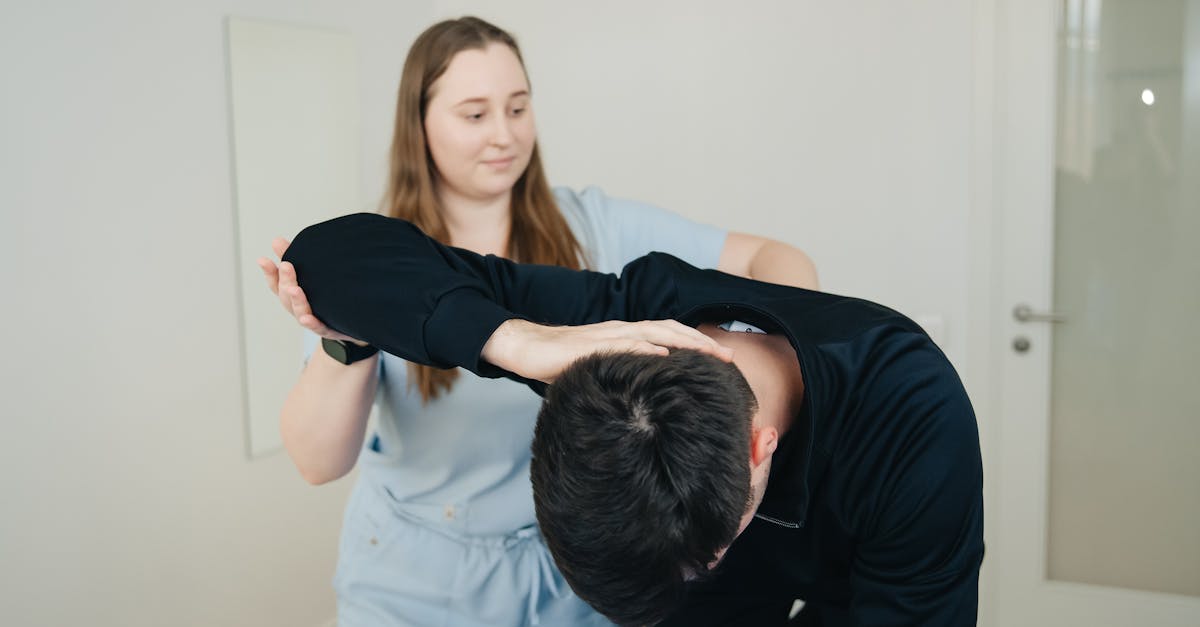
Gentle movement and stretching techniques play an essential role in managing the symptoms of Parkinson’s disease. These practices not only improve flexibility and circulation but also foster a sense of relaxation and well-being. Incorporating simple stretches into a daily routine can enhance muscle function and reduce rigidity. Many patients find that gentle movements, such as tai chi or walking, can help maintain balance and coordination while promoting mindfulness.
Practising these techniques in a calm environment can further amplify their benefits. Focusing on breath control during stretching helps anchor the mind, allowing individuals to feel more in tune with their bodies. Regularly engaging in gentle movement can alleviate tension and create a space for reflection. As patients become more familiar with these techniques, they may discover a deeper connection between mind and body, fostering resilience amidst the challenges of Parkinson’s.
Incorporating Mindfulness into Daily Routines
Integrating mindfulness into everyday activities can significantly enhance overall well-being. Simple practices such as mindful eating, where one savours each bite and pays attention to the flavours and textures, can transform a routine meal into a grounding experience. Engaging fully in the present moment during daily tasks allows for greater appreciation of the mundane, fostering a sense of calm amidst the hustle and bustle of life.
Mindfulness can also be incorporated into less structured moments, such as during walks or while doing household chores. Focusing on the sensations of movement or the sounds of the environment brings awareness to the present. These small adjustments can create a shift in mindset, enhancing emotional resilience and encouraging a more peaceful approach to daily challenges.
Simple Practices to Enhance Everyday Life
Incorporating mindfulness into daily routines can significantly impact the well-being of individuals managing Parkinson's disease. Simple practices such as mindful breathing can be easily integrated into various activities, offering moments of calm throughout the day. When brushing teeth or preparing meals, taking a few moments to focus on the sensations involved can foster a greater sense of presence and reduce stress levels.
Another effective practice involves mindful observation. Setting aside time to engage with the surroundings can enhance appreciation for the present moment. This can be as straightforward as noticing the colours and sounds in nature during a walk or simply paying attention to the texture of a favourite object. These small, intentional moments can cultivate a deeper connection to everyday life and provide a sense of grounding amidst the challenges of the condition.
FAQS
What is mindfulness and how can it benefit individuals with Parkinson’s disease?
Mindfulness is the practice of being present and fully engaged in the moment, which can help reduce stress, improve mental clarity, and enhance emotional well-being for individuals with Parkinson’s disease.
How can meditation practices assist in managing Parkinson’s symptoms?
Meditation practices can promote relaxation, focus, and emotional stability, which may alleviate symptoms like anxiety and stress, thereby improving the overall quality of life for those with Parkinson’s disease.
What types of yoga are recommended for people with Parkinson’s disease?
Gentle forms of yoga, such as Hatha or restorative yoga, are often recommended for individuals with Parkinson’s disease as they focus on flexibility, balance, and relaxation without putting excessive strain on the body.
Are there specific breathing techniques that can be beneficial for Parkinson’s patients?
Yes, deep breathing exercises can help reduce tension and anxiety. Techniques such as diaphragmatic breathing or 4-7-8 breathing can enhance relaxation and provide relief from stress.
How can I incorporate mindfulness into my daily routine if I have Parkinson’s disease?
Simple practices like mindful eating, taking short moments to focus on your breath throughout the day, or engaging in mindful walking can easily be integrated into your daily routine to enhance mindfulness.
Related Links
Utilizing Aquatic Therapy for Patients with Parkinson’sInnovative Approaches in Parkinson’s Disease Management through Physiotherapy
Physiotherapy Strategies for Reducing Parkinson’s Symptoms
Understanding the Gait Changes in Parkinson’s Disease
The Importance of Early Intervention in Parkinson’s Physiotherapy