The Importance of Early Intervention in Parkinson’s Physiotherapy
Techniques Used in Physiotherapy
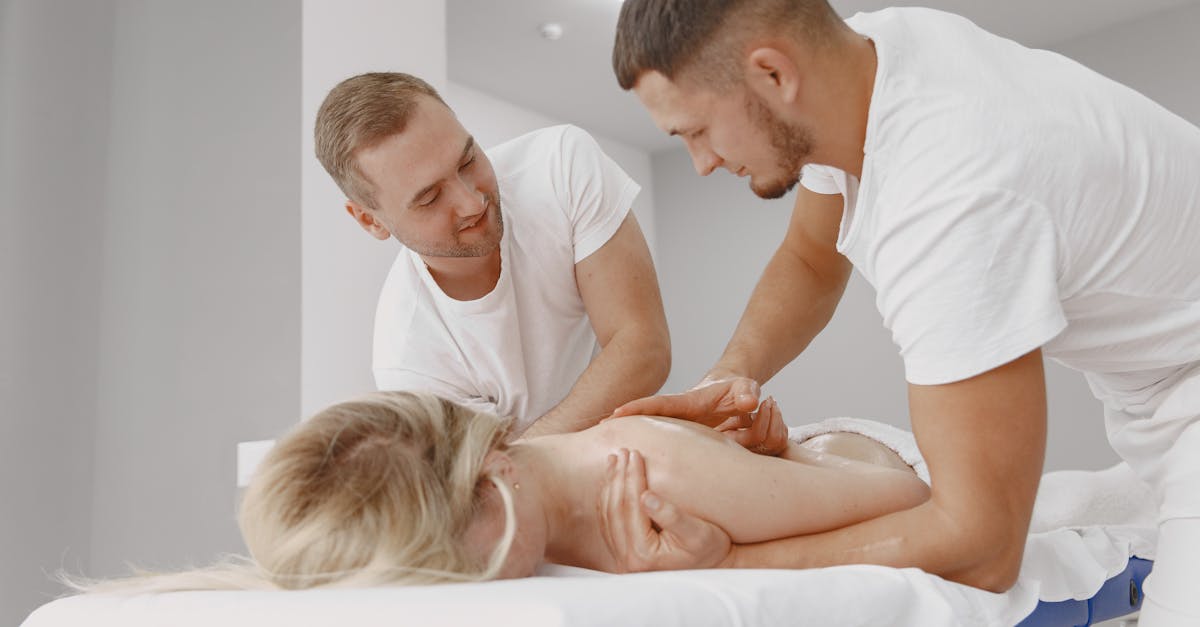
Physiotherapy for Parkinson’s patients often employs a variety of techniques aimed at enhancing mobility and quality of life. Therapeutic exercises are commonly utilised to improve strength, flexibility, and balance. Manual therapy techniques may also play a role, focusing on joint and soft tissue mobilisations to alleviate stiffness and discomfort. Neuromuscular re-education is another essential aspect, helping patients regain control over their movements and improve coordination through targeted exercises and feedback.
Incorporating technology into therapy provides an innovative approach to treatment. Virtual reality and biofeedback systems can offer engaging environments for practice, making exercises more manageable and enjoyable. Additionally, aquatic therapy offers unique benefits by enabling easier movements in water while reducing the risk of falls. Each of these techniques aims not only to address the physical symptoms of Parkinson’s but also to empower patients, fostering independence and confidence in their abilities.
Evidence-Based Approaches for Optimal Results
A range of evidence-based approaches has been developed to maximise the outcomes of physiotherapy for individuals with Parkinson’s disease. These methodologies focus on tailored exercise regimens that cater to the specific symptoms and progression of the disease. High-intensity interval training, for instance, has been shown to improve motor function and overall quality of life. Additionally, incorporating strategies that enhance balance and coordination is crucial, as these skills tend to decline as the condition advances.
Research underscores the effectiveness of task-specific training in promoting functional independence within daily activities. This approach allows patients to practice movements relevant to their routine, making the therapeutic process more applicable and engaging. Moreover, evidence has highlighted the benefits of supervised group sessions, fostering social interaction while providing motivation and accountability. The integration of these evidence-based techniques leads to sustainable results and an enriched rehabilitation experience for Parkinson’s patients.
Engaging in Regular Exercise
Regular exercise plays a vital role in managing Parkinson's disease. It aids in enhancing mobility, improving balance, and reducing rigidity. Engaging in physical activity can also combat fatigue and promote a sense of well-being. Patients often experience improvements in their overall quality of life. Encouraging consistency in exercise routines can lead to significant long-term benefits, making it an essential component of physiotherapy.
A variety of activities can be beneficial, each serving different physical and emotional needs. Walking, swimming, and cycling are excellent options that can be adapted to suit individual capabilities. Group classes, such as dancing or yoga, not only provide physical gains but also foster social connections, combating feelings of isolation. Incorporating a well-rounded exercise regimen is crucial for those living with Parkinson’s, as it supports both physical health and emotional resilience.
Recommended Activities for Parkinson’s Patients
Engaging in activities that promote movement and coordination can greatly benefit patients with Parkinson's disease. Activities such as walking, swimming, and cycling are excellent for maintaining cardiovascular health while also improving muscle strength. Incorporating dance into the routine can enhance balance and rhythm, making it an enjoyable way to exercise. Classes specifically designed for Parkinson's patients, such as seated exercise groups, provide a supportive environment for individuals to participate at their own pace.
In addition to aerobic exercises, activities focusing on flexibility and mobility are equally important. Yoga and tai chi can contribute to improved posture and balance, essential aspects for those living with Parkinson's. These mind-body practices can also promote relaxation and reduce stress. Simple home-based exercises, including stretching and resistance training, can support independence in daily activities while enhancing overall physical function.
Family and Caregiver Involvement
Involving family members and caregivers in the physiotherapy process is crucial for patients with Parkinson's. Their participation helps create a supportive environment that can enhance engagement with therapy. Caregivers can assist with exercises, provide reminders for routine practice, and offer emotional encouragement. This involvement can help reduce feelings of isolation, which often accompany the disease, contributing to a more positive outlook for the patient.
Effective communication between healthcare professionals, patients, and caregivers is key to achieving optimal outcomes. Caregivers can relay important information regarding the patient's daily challenges and progress, ensuring that physiotherapy plans are tailored to meet specific needs. Regular discussion about goals and objectives strengthens the bond within the care team, fostering a collaborative approach that benefits the patient.
Supporting Patients Through Their Journey
The role of family members and caregivers in the journey of patients with Parkinson's cannot be overstated. They provide essential emotional support, helping to maintain a positive outlook as the condition progresses. Through active involvement, caregivers can better understand the challenges faced by patients, allowing them to tailor their assistance to meet individual needs. This supportive environment helps patients feel more secure and engaged in their treatment plans.
Education about Parkinson's disease is crucial for both patients and their families. Understanding the nature of the condition enables caregivers to anticipate changes and adapt their support strategies accordingly. They can also encourage participation in physiotherapy sessions, helping to reinforce the importance of exercise and rehabilitation. Being informed fosters a collaborative relationship, empowering families to be proactive partners in managing the patient's well-being.
FAQS
What is early intervention in Parkinson’s physiotherapy?
Early intervention in Parkinson’s physiotherapy refers to the prompt initiation of therapeutic techniques and exercises as soon as Parkinson's symptoms are diagnosed, aiming to improve mobility, strength, and overall quality of life.
How can physiotherapy techniques benefit individuals with Parkinson’s?
Physiotherapy techniques can help individuals with Parkinson's improve their movement, balance, and coordination, reduce muscle stiffness, and enhance their ability to perform daily activities independently.
What types of exercises are recommended for Parkinson’s patients?
Recommended exercises for Parkinson’s patients include aerobic activities like walking or cycling, strength training, balance exercises, and flexibility routines such as stretching or yoga, which can all contribute to better mobility and overall health.
How can family members support a loved one undergoing physiotherapy for Parkinson’s?
Family members can support a loved one by encouraging participation in physiotherapy sessions, assisting with exercises at home, providing emotional support, and helping to create a safe and engaging environment for physical activity.
Why is evidence-based practice important in Parkinson’s physiotherapy?
Evidence-based practice is crucial in Parkinson’s physiotherapy as it ensures that the techniques and interventions used are backed by scientific research, leading to optimal results tailored to the specific needs of patients.
Related Links
Understanding the Gait Changes in Parkinson’s DiseaseThe Impact of Group Therapy on Parkinson’s Disease Outcomes
Mindfulness and Relaxation Techniques in Parkinson’s Disease Management
Utilizing Aquatic Therapy for Patients with Parkinson’s
Physiotherapy Strategies for Reducing Parkinson’s Symptoms