Neuroplasticity and Its Role in Stroke Rehabilitation
Role of Physical Therapy
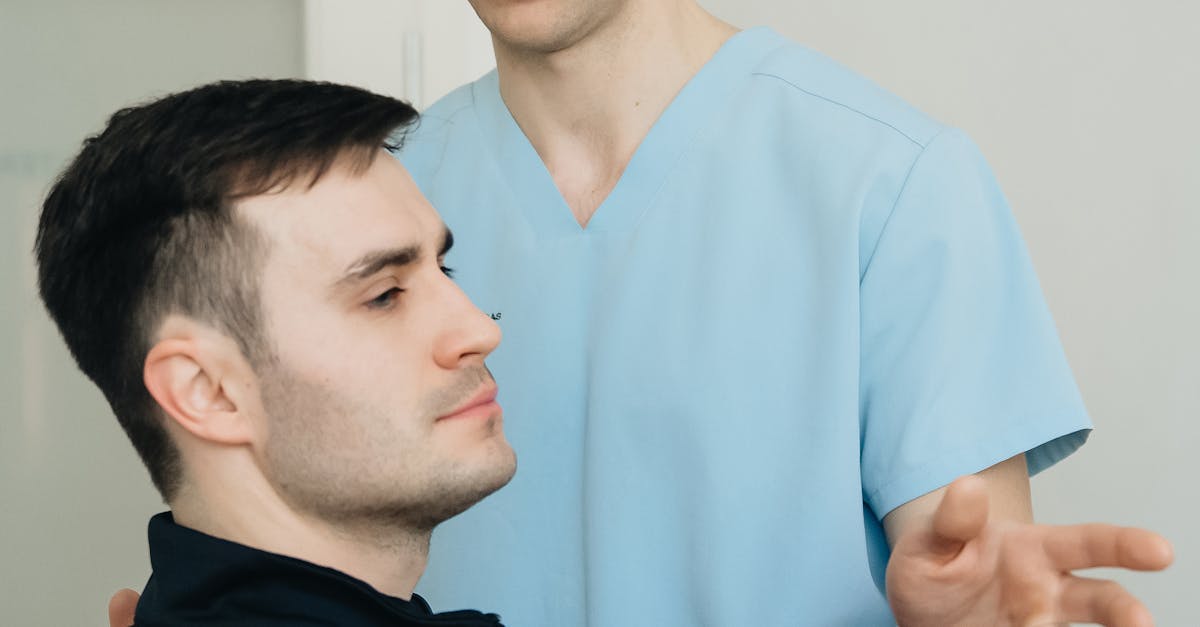
Physical therapy plays a crucial role in aiding stroke survivors regain mobility and independence. Therapists employ tailored exercises that focus on enhancing strength, balance, and coordination. These exercises stimulate the brain's neuroplasticity, encouraging it to form new pathways to compensate for damaged areas. By progressively challenging patients, therapists help them rebuild confidence in their physical abilities.
In addition to physical improvements, therapy sessions serve to motivate individuals during their recovery journey. The structured environment of physical therapy can foster a sense of routine and accomplishment. When patients commit to regular sessions, they often experience tangible progress, which can further empower them to engage in holistic recovery efforts. Such an approach not only targets physical rehabilitation but also contributes positively to mental well-being.
How Movement Encourages Neural Repair
Engaging in movement plays a crucial role in the process of neural repair following a stroke. Physical activity stimulates the release of neurotrophic factors, which support the survival and growth of neurons. This biological response not only promotes the formation of new neural pathways but also enhances synaptic plasticity, allowing the brain to adapt and reorganise itself in response to injury. Moreover, repetitive movements and exercises can reinforce motor skills, helping to re-establish connections between brain regions that control movement and coordination.
Incorporating movement into rehabilitation routines can also aid in combating the physical and cognitive deficits that often arise post-stroke. Therapists often design specific exercises aimed at promoting functional movements and improving coordination, which indirectly encourages neuroplastic changes. The practice of these movements drives the brain to begin re-routing signals around damaged areas, fostering recovery of lost functions. Regular engagement in such activities ultimately contributes to a more effective rehabilitation process, laying the groundwork for further advancements in recovery.
Cognitive Rehabilitation Techniques
Techniques focusing on cognitive rehabilitation aim to enhance mental functions affected by stroke. These techniques may include tasks designed to improve memory, attention, and problem-solving skills. Activities such as puzzles, memory games, and computer-based cognitive training programmes provide engaging ways to stimulate the brain. Tailoring exercises to individual needs ensures that patients remain motivated and can work on specific areas requiring improvement.
In addition to structured exercises, collaborative activities can also play a significant role in cognitive rehabilitation. Group sessions provide opportunities for social interaction, which can diminish feelings of isolation and foster a sense of community. Sharing experiences with others facing similar challenges often promotes a supportive environment crucial for mental recovery. Incorporating daily activities into rehabilitation routines further encourages practical application of cognitive skills in real-life situations.
Exercises to Improve Mental Function
Engaging in specific exercises can significantly enhance mental function after a stroke. Activities such as puzzles, memory games, and problem-solving tasks stimulate various regions of the brain. These tasks promote neural pathways that may have been compromised due to the stroke. Practising new skills through these exercises encourages cognitive flexibility and strengthens synaptic connections.
Incorporating social interaction into mental exercises can further bolster cognitive recovery. Group activities foster communication skills and provide emotional support, which are crucial for overall rehabilitation. Sharing experiences with others who have faced similar challenges enhances motivation and engagement. This collaborative approach not only improves mental agility but also nurtures a sense of belonging, which is essential in the recovery journey.
The Importance of Motivation
Motivation serves as a crucial driver in the rehabilitation journey following a stroke. Individuals who maintain a strong commitment to their recovery are more likely to engage consistently in therapy sessions and adhere to prescribed exercises. This engagement not only enhances the likelihood of achieving recovery milestones but also fosters resilience in the face of challenges.
Psychological factors play a significant role in shaping this motivation. Support from family, friends, and healthcare professionals can create a positive environment that encourages patients to persevere. Setting achievable goals is also essential, as it provides patients with a sense of purpose and accomplishment, which can further fuel their dedication to the rehabilitation process.
How Motivation Influences Recovery Outcomes
Motivation plays a crucial role in the recovery process after a stroke. When individuals feel driven to participate in their rehabilitation, they are more likely to adhere to therapy regimens and engage in exercises designed to improve their physical and cognitive abilities. This active participation often leads to better outcomes, as consistent effort helps to enhance neuroplasticity. The underlying neurological changes fostered by motivated practice can facilitate greater movement, improved coordination, and sharper cognitive functions.
Furthermore, the psychological aspects of motivation cannot be overlooked. Individuals who maintain a positive outlook and set achievable goals tend to experience increased satisfaction with their progress. This sense of accomplishment can reinforce their commitment to the rehabilitation journey. Support from family and therapists also amplifies motivation, creating an environment where individuals feel encouraged to push their limits and strive for improvements. Such dynamics significantly influence overall recovery trajectories.
FAQS
What is neuroplasticity?
Neuroplasticity is the brain's ability to reorganise itself by forming new neural connections throughout life, which is particularly important in recovery from injuries such as strokes.
How does physical therapy aid in stroke rehabilitation?
Physical therapy plays a crucial role in stroke rehabilitation by promoting movement, which encourages neural repair and helps patients regain strength, balance, and coordination.
What types of cognitive rehabilitation techniques are effective for stroke survivors?
Effective cognitive rehabilitation techniques for stroke survivors may include memory exercises, problem-solving tasks, and activities that enhance attention and executive function.
Can motivation impact recovery outcomes after a stroke?
Yes, motivation significantly influences recovery outcomes after a stroke, as higher levels of motivation can lead to greater participation in rehabilitation activities and improved overall progress.
What exercises can help improve mental function in stroke rehabilitation?
Exercises that may improve mental function include memory games, puzzles, and tasks that require planning and organisation, as well as engaging in social activities that stimulate cognitive processes.
Related Links
Strategies for Improving Upper Limb Function After StrokeInnovative Approaches to Stroke Recovery
Psychological Support in Stroke Rehabilitation Processes
The Role of Family in Stroke Recovery
Occupational Therapy in Conjunction with Stroke Physiotherapy