The Role of Physiotherapy in Enhancing Mobility Post-Traumatic Brain Injury
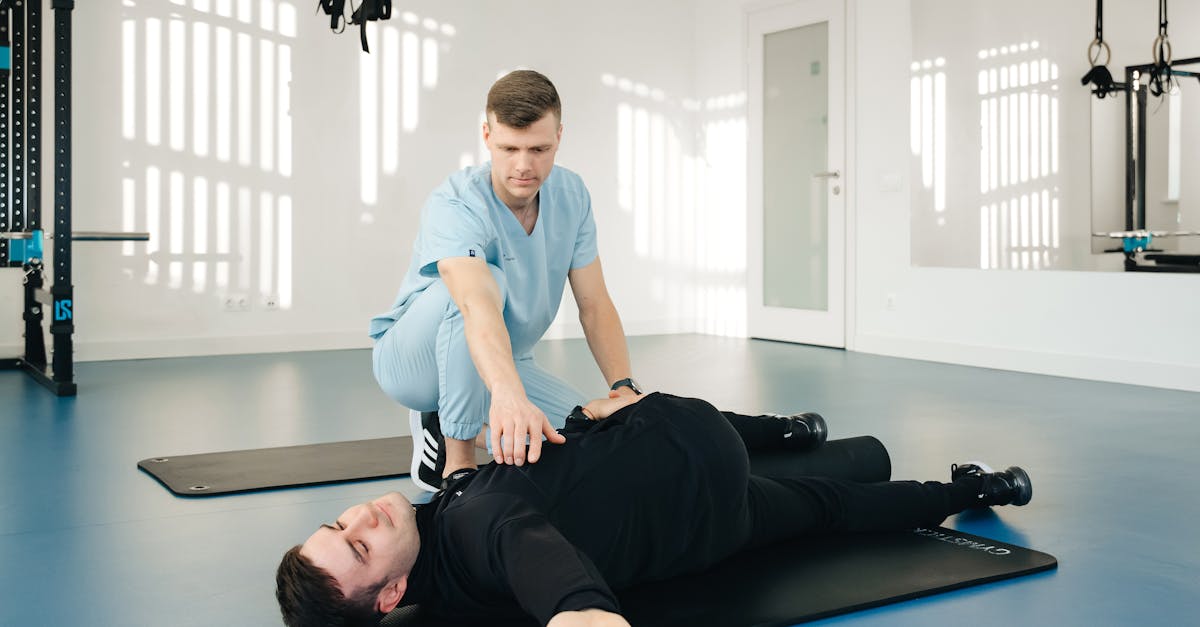
Tailored Physiotherapy Programs
Physiotherapy plays a crucial role in the recovery journey for individuals who have suffered a traumatic brain injury. Each patient's needs and challenges are unique, necessitating the creation of customised physiotherapy programs. These programmes are designed to address specific impairments and functional limitations, focusing on enhancing mobility, strength, and overall quality of life. The physiotherapist conducts thorough assessments to identify areas of concern and develop strategies to promote recovery.
Assessment methods often include evaluating muscle strength, joint flexibility, and overall functional ability. Treatment plans are then tailored to incorporate a mix of manual therapy techniques, therapeutic exercises, and patient education. Regular reassessment is integral to the process, allowing for adjustments in the programmes to ensure they remain aligned with the evolving needs of the patient. This tailored approach not only supports physical rehabilitation but also contributes to emotional well-being, fostering a sense of empowerment and encouraging active participation in recovery.
Personalised Treatment Plans for TBI Patients
Individualised treatment plans are essential for patients recovering from traumatic brain injuries. Each patient's condition varies significantly based on the severity of the injury, their previous health status, and specific rehabilitation goals. A comprehensive assessment is carried out by physiotherapists, considering neurological function, balance, coordination, and any existing movement limitations. This tailored approach ensures that interventions are appropriate and effective for each individual's needs.
Therapists often incorporate a multidisciplinary strategy, collaborating with other healthcare professionals to enhance recovery. These plans may include specific goals such as improving strength, enhancing coordination, or increasing independence in daily activities. By continuously monitoring progress and adjusting techniques as necessary, physiotherapists provide a dynamic and responsive treatment plan that fosters optimal recovery for TBI patients. This adaptability enables continued progress and helps address emerging challenges during rehabilitation.
Role of Manual Therapy
Manual therapy encompasses a variety of hands-on techniques aimed at improving physical function and reducing pain in individuals recovering from traumatic brain injuries. This approach is essential for TBI patients as it helps to alleviate muscle tension and joint restrictions, which can contribute to discomfort and hinder mobility. Physiotherapists utilise specific manoeuvres, such as mobilisation and soft tissue manipulation, to target affected areas. These techniques not only enhance circulation but also promote relaxation, thereby allowing patients to engage more effectively in their rehabilitation.
Improving muscle function is another vital aspect addressed through manual therapy. By applying targeted techniques, physiotherapists can help restore the range of motion and strength necessary for daily activities. Through consistent application of manual therapy, patients often experience a decrease in spasticity and improved coordination. This promotes a more effective integration of therapeutic exercises, setting a solid foundation for further rehabilitation efforts that ultimately enhance overall mobility and quality of life.
Techniques to Improve Muscle Function
Manual techniques play a crucial role in rehabilitation for individuals recovering from a traumatic brain injury. Through targeted interventions, physiotherapists can address muscle tightness and improve overall function. Techniques such as muscle energy techniques and myofascial release can help alleviate discomfort and restore normal movement patterns. These approaches aid in breaking down adhesions in the muscle tissue, thus allowing for greater flexibility and enhanced muscle performance.
Incorporating proprioceptive neuromuscular facilitation (PNF) into treatment can further enhance muscle function. This technique focuses on stimulating the proprioceptors in muscles and joints, leading to a more coordinated muscle response. Utilising both stretching and strengthening exercises within PNF promotes active engagement of the patient. Regular practice not only increases strength but also fosters better movement control, essential for navigating daily activities post-injury.
Therapeutic Exercises for Mobility
A variety of therapeutic exercises are crucial for improving mobility in individuals recovering from traumatic brain injury. These exercises are designed to enhance strength, coordination, and overall physical function. Tailored to each patient's specific needs, they often incorporate activities that promote balance and stability. Such activities are essential, as they help rebuild confidence in movement and reduce the risk of falls.
Strengthening routines typically focus on key muscle groups to support overall physical functionality. Simple bodyweight exercises can lead to noticeable improvements in endurance and mobility. Flexibility routines are equally important, as they maintain joint health and improve the range of motion. Incorporating stretching exercises helps alleviate tension in muscles, promoting a greater sense of well-being during recovery.
Strengthening and Flexibility Routines
Incorporating specific strengthening and flexibility routines into a rehabilitation programme is essential for individuals recovering from traumatic brain injury. These exercises help to enhance muscle strength, improve coordination, and restore balance. Physiotherapists often design tailored routines that focus on the patient's unique needs and recovery goals. Simple bodyweight exercises, resistance bands, or light weights can build strength without overwhelming the patient during their rehabilitation journey.
Flexibility routines play a crucial role in preventing stiffness and maintaining a healthy range of motion. Gentle stretching exercises are integrated into daily sessions to promote muscle elasticity and joint mobility. This combination of strengthening and flexibility work not only facilitates better movement patterns but also contributes to enhanced overall function. Regular practice helps patients regain confidence in their mobility, allowing them to engage more freely in daily activities and social interactions.
FAQS
What is the importance of physiotherapy for individuals recovering from a traumatic brain injury (TBI)?
Physiotherapy plays a crucial role in the recovery of TBI patients by enhancing mobility, improving muscle function, and helping individuals regain independence in their daily activities.
How are physiotherapy programs tailored for TBI patients?
Physiotherapy programs for TBI patients are customised based on the individual's specific needs, medical history, and level of injury, ensuring that the treatment plan effectively targets their rehabilitation goals.
What techniques are commonly used in manual therapy for TBI patients?
Manual therapy techniques such as mobilisation, manipulation, and soft tissue release are used to alleviate pain, improve range of motion, and enhance muscle function in TBI patients.
What types of therapeutic exercises are recommended for improving mobility after a TBI?
Therapeutic exercises may include strengthening routines, balance training, and flexibility exercises designed to improve overall mobility and restore function after a TBI.
How long does it typically take to see improvements in mobility through physiotherapy after a TBI?
The timeline for improvements in mobility can vary widely depending on the severity of the injury and the individual's response to treatment, but consistent physiotherapy often leads to noticeable progress over weeks to months.
Related Links
Managing Emotional and Psychological Symptoms After Traumatic Brain InjuryCognitive Rehabilitation Techniques Following Traumatic Brain Injury
Use of Virtual Reality in Physiotherapy for Traumatic Brain Injury
Assessing and Addressing Balance Disorders in Traumatic Brain Injury
Community-Based Rehabilitation Strategies for Traumatic Brain Injury Survivors